

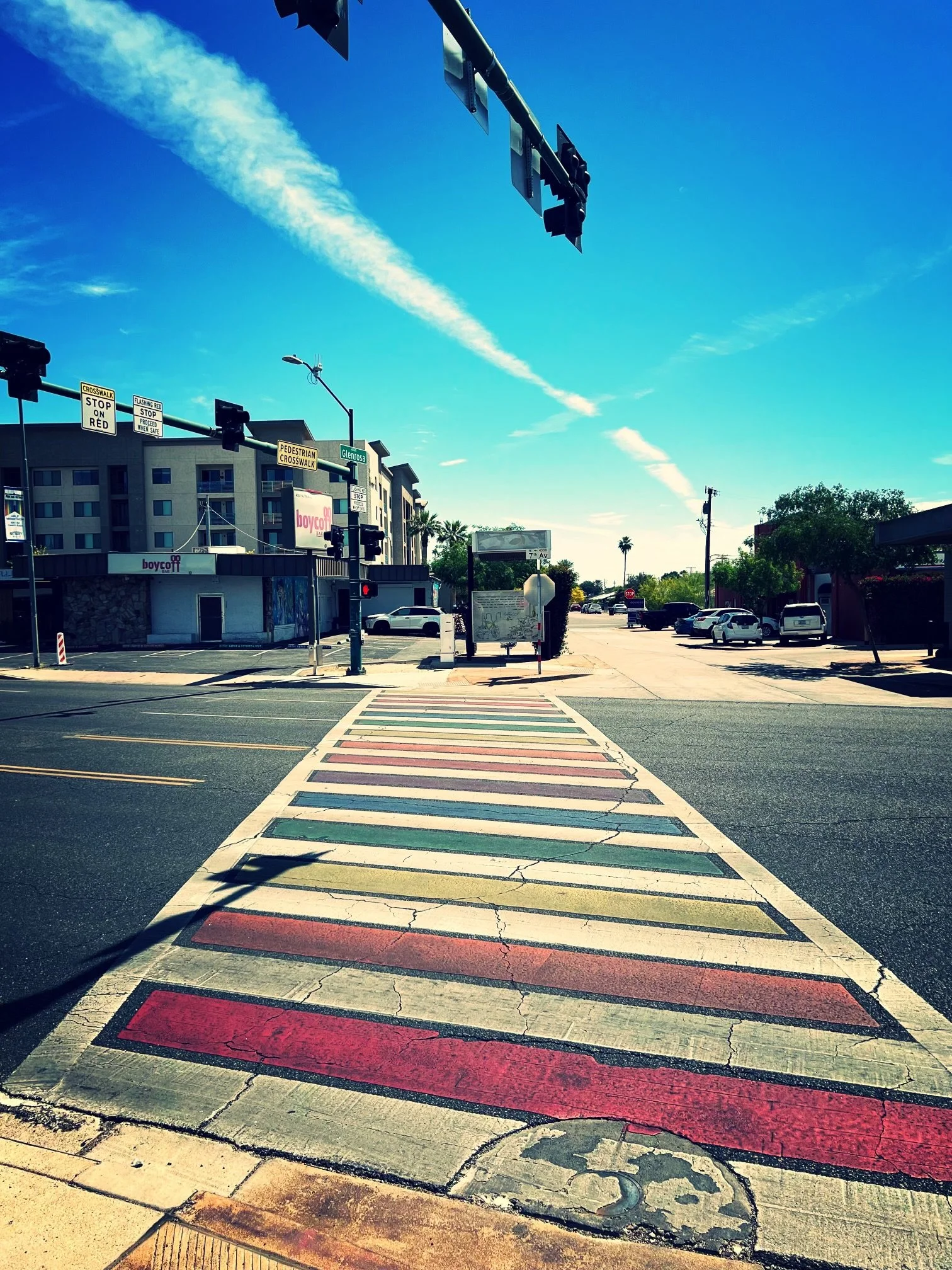
Religious Trauma & Faith Deconstruction Therapy in Phoenix
In Central Phoenix & online throughout Arizona
When faith gets complicated…
So many of us grew up in a religious environment where questions weren’t encouraged. Maybe you encountered shame, fear, isolation, or outright abuse - all in the name of religion.
But humans and our paths are diverse. Your religious life could have been mostly positive. You had a community, traditions, and people you loved. Church created a predictable rhythm, and you knew what to expect. But perhaps an uneasiness crept in around some of the doctrine you were taught was “fact,” when your own lived experience or observation of the world proved otherwise. You started questioning things you'd always believed. And now you're trying to figure out what it all means for your life, your relationships, and where you go from here.
Maybe you haven't left your religion at all. You're just starting to wonder whether some of the things you were taught are actually true—or whether they still make sense for your life now.
You don't have to have experienced religious trauma to have complicated feelings about religion.
Religious trauma, faith deconstruction, and everything in between
Religious trauma can happen when exposure to damaging religious teachings, relationships, or institutions causes significant psychological harm.
For some people, those experiences have lasting effects on their sense of safety and their ability to trust themselves. Trauma symptoms can include anxiety, hypervigilance, nightmares or intrusive memories.
But not everyone who questions or leaves religion has experienced trauma.
Faith deconstruction is the process of examining, questioning, or reconsidering beliefs you've previously accepted. Sometimes it follows a painful experience. Sometimes it's the result of years of curiosity, learning, or realizing that your beliefs no longer make sense to you.
And sometimes leaving religion is less about what happened inside it and more about what happens afterward.
You might be navigating relationships with religious family members, grieving a community, figuring out how to raise your kids, reconsidering your values, or wondering what gives life meaning now.
You might feel angry, relieved, sad, excited, terrified, or absolutely fine about some parts of it, and deeply conflicted about others.
There's no “right” way to experience any of this.
You don't need to decide whether your experiences qualify as trauma before you're allowed to talk about them in therapy.
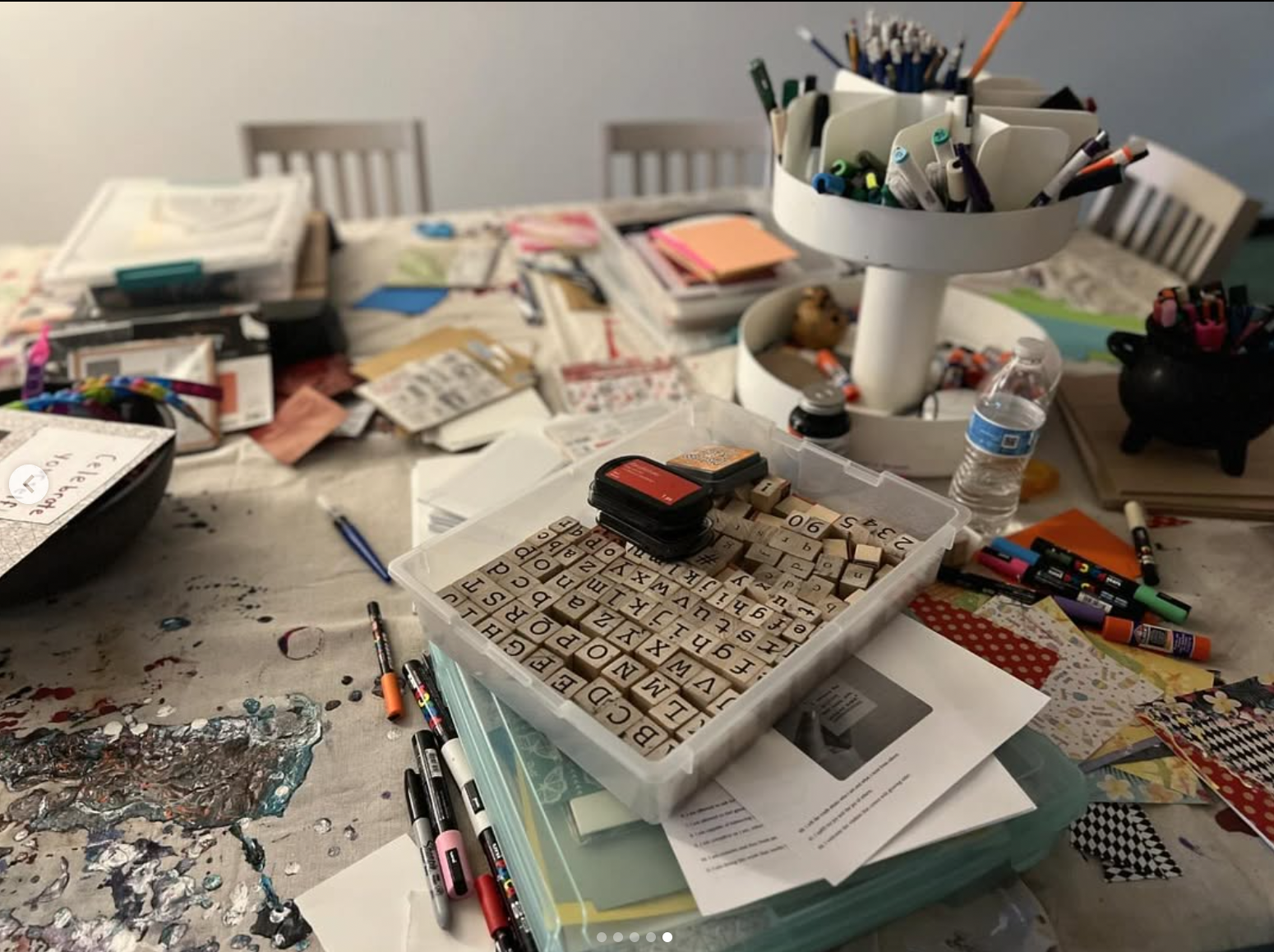
Group therapy room
What if you're just... human?
Depending on the brand of religion you came from, you might have learned that just existing as human is something you're supposed to spend your entire life trying to overcome.
You learned that your body has urges that need to be controlled. Your thoughts need to be monitored. Your desires need to be justified. Your anger, doubt, sexuality, and even your perfectly ordinary needs - like resting when you’re tired and eating when you’re hungry - can become evidence that there's something wrong with you.
And there's always something else to work on. Something to repent for. Something to surrender. Some part of yourself that needs fixing. It’s fucking exhausting.
What if you aren't fundamentally flawed?
What if being hungry, horny, angry, tired, curious, uncertain, or occasionally selfish doesn't mean you've failed some kind of cosmic character test?
What if you're just, like, a person?
You can stop believing something intellectually and still feel guilty about violating it emotionally. Years of conditioning don't necessarily disappear when your beliefs change.
And you can take responsibility for your choices, work on patterns that aren't serving you, and decide what kind of person you want to be without treating yourself as fundamentally defective.
You're allowed to be human. You are not a problem to be solved.
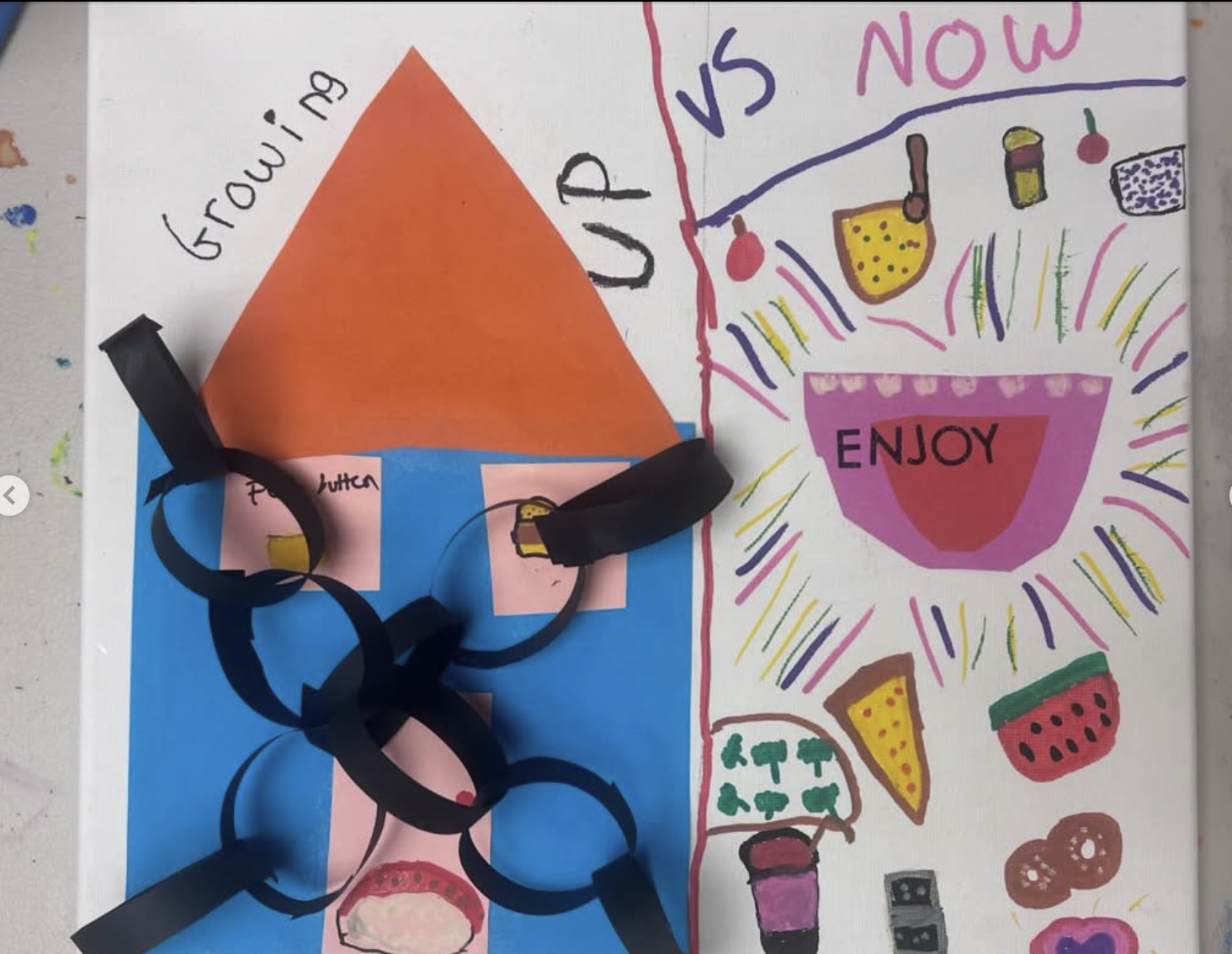
Artwork, 2026. Shared with permission.
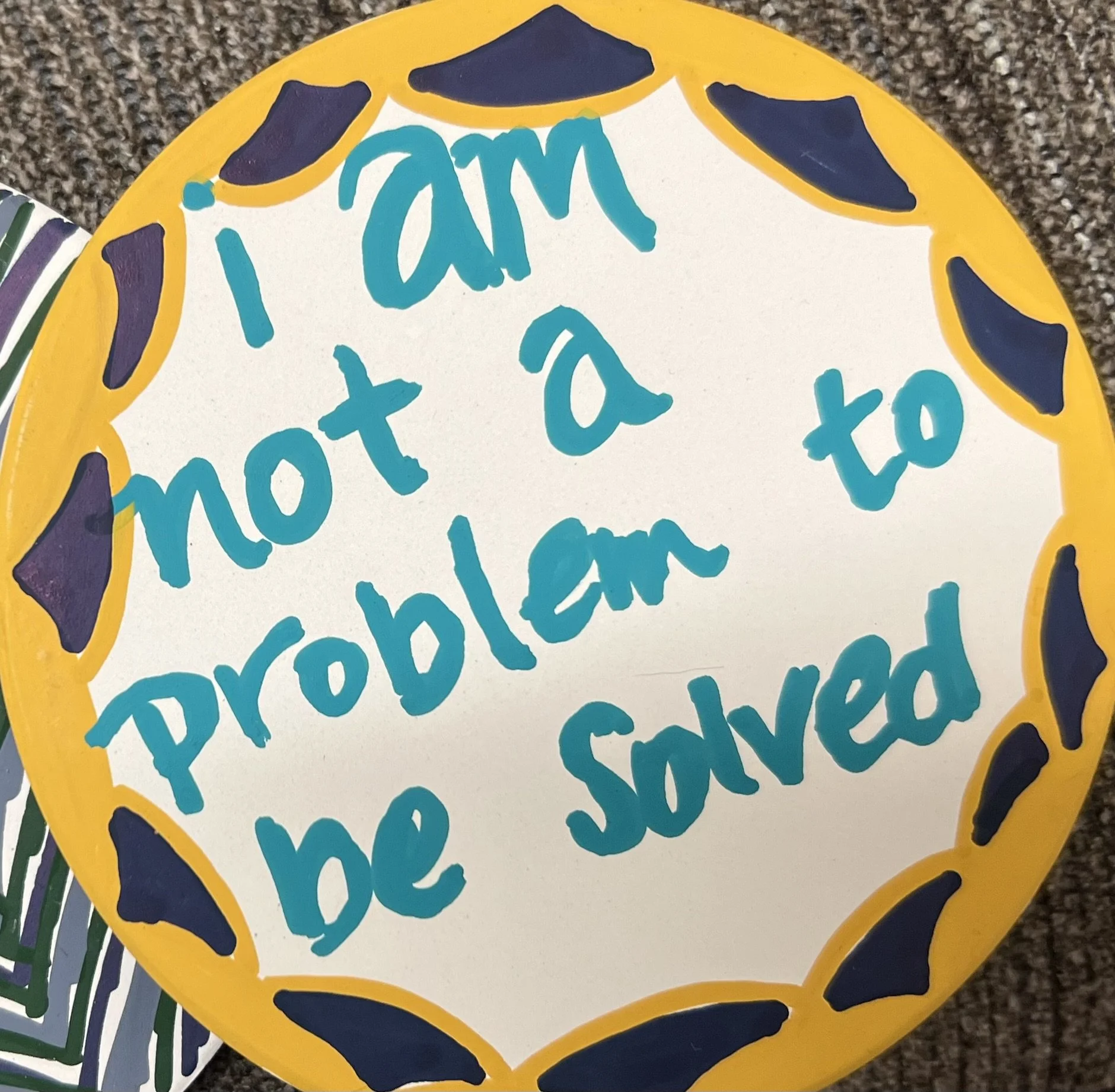
Coaster designed by me, 2023
For some people, religion has provided a framework for almost everything: where we came from, why we're here, what's right and wrong, and what happens when we die.
Questioning or leaving that framework can bring up some enormous existential questions.
How do you decide what's right or wrong without religious authority? What makes life meaningful if there isn't a divine plan? What if the answers you grew up with no longer make sense?
That uncertainty can be uncomfortable. It can also open up possibilities you might never have considered before.
A life without religion doesn't have to be a life without meaning, morality, connection, or purpose.
You don't need religion to have a meaningful life.
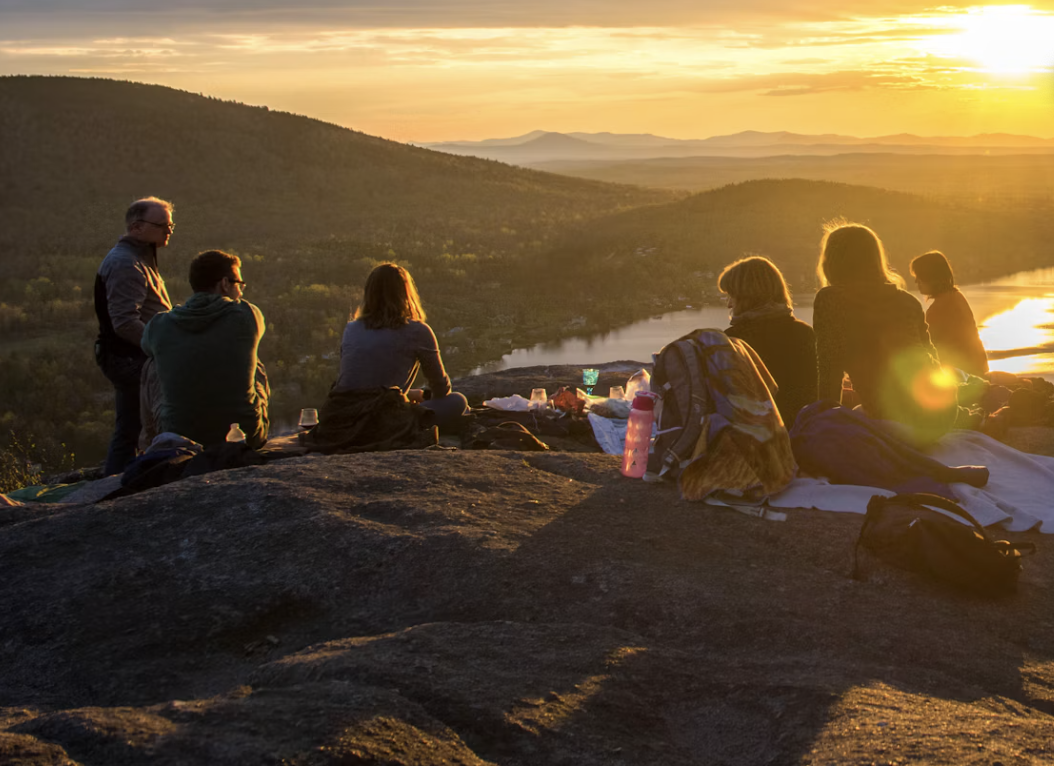
You can care deeply about other people without believing you're commanded to. You can find wonder in the natural world without believing someone designed it for you. You can build relationships, create things, experience pleasure, contribute to your community, and decide what matters to you.
And you don't need to replace one set of absolute answers with another.
You might discover that life feels richer when you get to decide what makes it meaningful. Or you might still be figuring that out.
Either way, you don't have to have everything figured out.
You're allowed to be uncertain. You're allowed to change your mind. And you're allowed to build a life that feels meaningful to you.

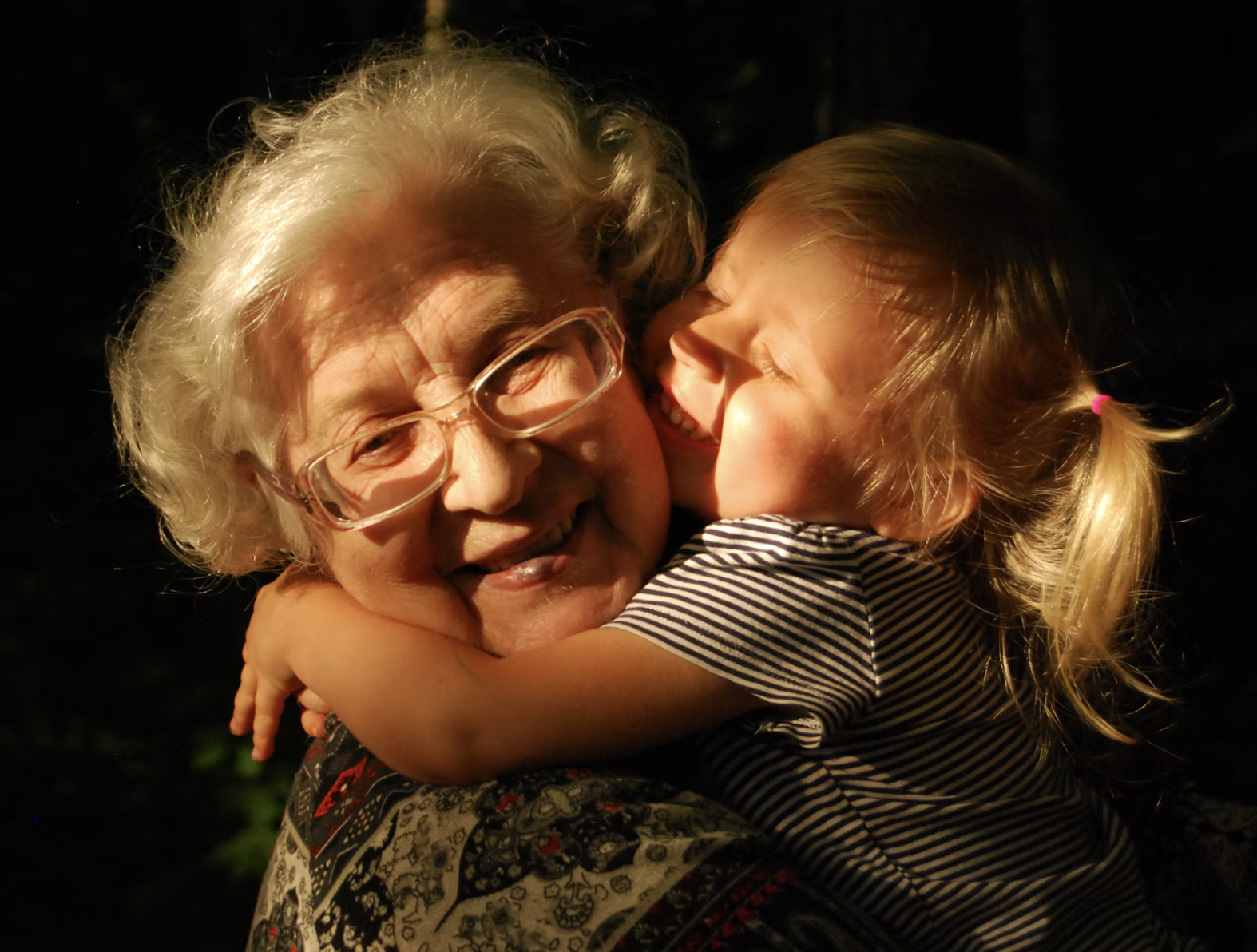
You don’t have to have it all figured out.
Maybe you're questioning beliefs you've held your entire life. Maybe you've left religion behind, but are still figuring out what comes next. Maybe you're trying to make sense of experiences that hurt you, or navigating relationships with people who don't understand why you’ve changed.
Or maybe you just want somewhere to talk about all of it without being told what you're supposed to think, feel, or believe.
You don't need to identify as traumatized, have a clear goal, or know exactly what you want from therapy before reaching out.
We can start wherever you are.
I offer 55-minute counseling sessions in Central Phoenix and online throughout Arizona, with a self-selected sliding scale of $100–$200. You choose the rate that works for you, without income verification.
If you'd like to see whether working together feels like a good fit, you can schedule a free 15-minute virtual consultation.
Sometimes it's nice to be around people who understand.
I also offer an in-person Therapeutic Art Group for Adults Leaving or Transitioning from Religion in Central Phoenix.
Group therapy is a place to connect with other adults who are questioning, leaving, or adjusting to life after religion, while exploring creative expression in a relaxed, supportive environment.
You don't have to identify as traumatized, have everything figured out, or be particularly good at art.
No artistic experience required. Seriously.
Learn more about group here.
Ready to get started?
If you're curious about working with me, schedule your free, 15-minute virtual consultation. You can also text/call me with questions at 602-601-2062.